

Summary
There is no single route to becoming a plumber in the UK, but recognised qualifications in this field, such as NVQs at Levels 2 and 3, are essential for a successful career. This guide sets out these qualifications in detail and helps you find the path that suits you best!
The Workery's Plumbing Course offers an adult-friendly blended route, with 300 hours of content across 14 modules.
Flexible learning: Study online, on mobile, desktop or tablet, at the pace that suits your schedule, with 100+ instructional videos.
Expert support: A coach and a technical expert are on hand, led by Stuart, a lecturer with over 20 years of experience, plus an active community of learners and live masterclasses.
Qualifications: Earn the certificate and take the next step towards NVQ Level qualifications to become a qualified plumber.
Cost: The Workery's Plumbing Course costs £1,690, with interest-free financing available.
Read on for the full breakdown of qualifications, registrations and training routes.
Thinking about a career in plumbing but not sure which plumbing qualifications you actually need? Between a traditional plumber apprenticeship, training centres, NVQ levels, and fast-track plumbing courses, the routes into the trade can seem confusing. This guide breaks down the qualifications available for plumbers in the UK, what a plumbing course really covers, and how to start your journey, whether you are a school leaver or looking to become a plumber at 40 with no experience.
What Does a Plumber Do?
A plumber installs, maintains, and repairs the pipework, hot water systems, and heating equipment found in homes, offices, and construction sites. Depending on the qualification chosen, a professional may specialise in domestic plumbing, central heating systems, or commercial infrastructure.
Installing and connecting domestic hot and cold water systems.
Fitting sanitary appliances such as basins, showers, baths, and washing machines.
Cutting, bending, and jointing copper and plastic pipework with precision.
Installing and commissioning central heating systems, including boilers and radiators.
Diagnosing faults, tracing leaks, and carrying out emergency call-outs.
Applying maintenance techniques and following water regulations to keep systems running safely.
Qualified plumbers in the UK are in high demand and can work as employees for building firms, maintenance technicians for housing providers, or as self-employed tradespeople. Common work environments include:
Domestic properties and new housing developments.
Construction sites for first-fix and second-fix work.
Commercial and industrial buildings.
Maintenance contracts for landlords and facilities managers.
How to Become a Plumber: Training Routes and Qualifications
The Workery Online Plumbing Course
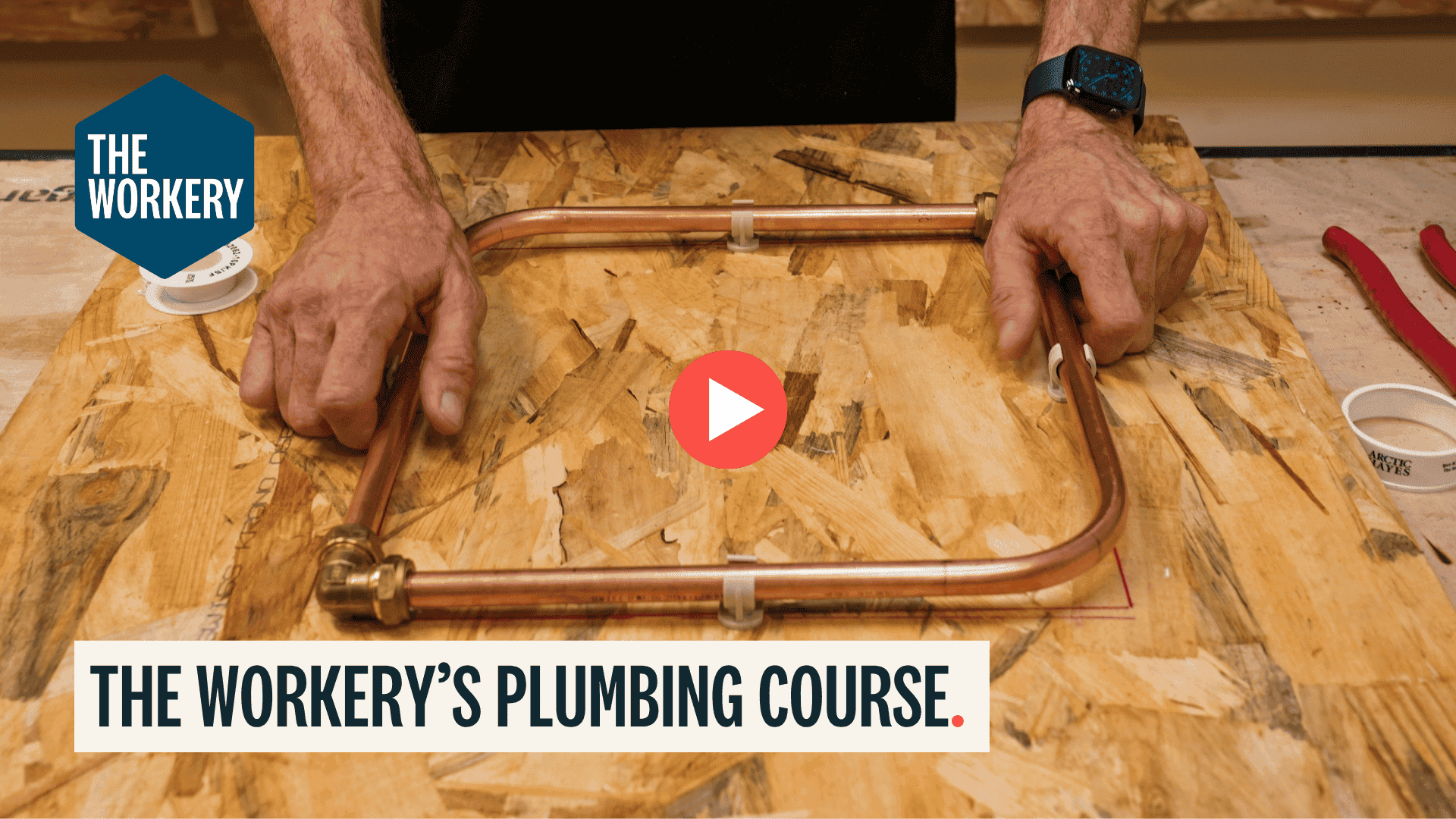
For those seeking the most flexible and modern route into the trade, The Workery Plumbing Course offers a comprehensive 300-hour program designed to fit around your existing schedule. This route is ideal for career changers or those asking how to become a plumber at 40 with no experience, as it provides 14 detailed modules and over 100 instructional videos. Led by Stuart, an expert with over 20 years of industry experience, the course covers everything from copper and plastic pipework to domestic hot and cold water systems and central heating.
The program includes ongoing assessments, live masterclasses, and access to an active learner community to ensure you develop the necessary problem-solving skills. Upon successful completion of the mandatory practical exercises and a final one-on-one Visio competency assessment, you receive a certificate of achievement. At a cost of £1,690, with options for 10 interest-free instalments, it is an accessible way to gain the technical knowledge required for a successful career in plumbing.
Traditional Plumber Apprenticeship
A traditional plumbing apprenticeship remains a primary route for a school leaver. It combines paid site experience with day release at colleges or training centres. In England, this typically leads to a Level 3 Plumbing and Domestic Heating Technician qualification, which usually takes up to four years to achieve. This route is excellent for gaining the practical assessments and site experience needed for a long-term career in plumbing while being part of a team from day one.
NVQ Level 2 and Level 3 in Plumbing
The NVQ Level 2 in plumbing is the industry standard for those wanting to work as a domestic plumber. It covers the main components of the trade, from basic plumbing course foundations to more complex installations and water regulations. For those looking to advance, an NVQ Level 3 plumbing and heating qualification is the next step, allowing you to specialise in central heating systems and renewable technologies. These qualifications are often required by an employer to ensure you can handle emergency call-outs and complex maintenance tasks safely.
What Qualifications Do I Need for Plumbing?
To be fully recognised as a professional plumber in the UK, you should aim for a mix of vocational training and industry registrations.
Essential Plumbing Certification
The Workery Plumbing Course: A flexible 300-hour online program that includes 14 modules, over 100 instructional videos, and a certificate of achievement upon completion of a final competency assessment.
City and Guilds Plumbing Courses: These are widely recognised by employers and provide a solid foundation in domestic plumbing.
NVQ Level 2/3 Diploma in Plumbing and Heating: Required for most site-based roles and to obtain a JIB Plumbing CSCS card.
Water Regulations (WRAS): A vital certification to ensure all work meets UK safety standards.
Gas Safe Registration: If you intend to work on gas boilers or heating systems, you must legally be on the Gas Safe Register. This usually requires additional gas-related units at Level 3.
What GCSEs Do You Need to Be a Plumber?
While you don't always need specific academic grades to start a basic plumbing course, most colleges and apprenticeship providers look for GCSEs (grade 4/C or above) in Maths and English. This is because the trade requires strong problem-solving skills and the ability to perform precise calculations for pipework and system pressure.
Kickstart your plumbing career with The Workery
Ready to turn your skills into a rewarding new career? The Workery offers a 100% online Plumbing Course, leading to a City & Guilds Assured Diploma in Plumbing, for just £1,690 !
300 hours to master the trade: 14 modules and 20+ videos packed with practical techniques
Expert support every step of the way: get a personalised feedback, live masterclasses and guidance from a plumbing expert
Learn at your pace: train anytime with flexible online learning that fits around your life.
Build skills that open doors: put your knowledge into practice, track your progress and earn a City & Guilds Assured Diploma in Plumbing.
Your future is in your hands!
Plumbing Jobs and Careers: Salary and Progression
Is a plumber a well-paid job? Yes, plumbing offers excellent earning potential and career stability due to a persistent skills shortage in the UK.
How much do plumbers make in the UK? An apprentice might start on around £18,500, but once qualified, the average salary for a plumber in the UK typically ranges from £32,000 to £45,000. Self-employed specialists or those who take on emergency call-outs and out-of-hours work can earn significantly more, often exceeding £50,000 per year.
How much do plumbers make in the UK? An apprentice might start on around £18,500, but once qualified, the average salary for a plumber in the UK typically ranges from £32,000 to £45,000. Self-employed specialists or those who take on emergency call-outs and out-of-hours work can earn significantly more, often exceeding £50,000 per year.
A career in plumbing offers various paths for growth:
Specialisation: Move into renewable energy, such as heat pump installation.
Management: Become a site supervisor or project manager for large construction firms.
Self-Employment: Start your own business and manage a team of plumbers.
Education: Train the next generation of tradespeople at colleges or training centres.
How Long Does it Take to Train to be a Plumber?
The timeframe depends entirely on your chosen route:
Apprenticeship: Usually 3 to 4 years to become fully qualified at Level 3.
Full-time College Course: 1 to 2 years for a Level 2 Diploma.
Fast-Track/Online Course: Can be completed in 6 to 12 months depending on your pace and the time dedicated to practical assessments.
How Much Does a Plumbing Course Cost in the UK?
The cost of plumbing training varies. A traditional apprenticeship is government-funded, meaning the learner doesn't pay fees. For private vocational courses or online training, prices typically range from £1,500 to £5,000. The Workery Plumbing Course is priced at £1,690, with flexible financing options available to spread the cost over 10 interest-free instalments.
Is Plumbing Hard?
Plumbing is a physically demanding trade that requires stamina, a head for heights, and the ability to work in cramped conditions. However, for those who enjoy problem-solving and hands-on work, it is a highly rewarding career. You will spend your day reading technical plans, using power tools, and interacting with customers to solve their domestic issues.
Frequently Asked Questions
You can enroll in vocational courses at local colleges or choose a private provider like Able Skills or The Workery. These routes allow you to gain your plumbing and heating qualifications through intensive workshop training or online modules combined with practical assessments.
Most major cities like London and Birmingham have numerous training centres and colleges offering City and Guilds plumbing courses. If you require more flexibility, plumbing courses online allow you to study the theory from anywhere before attending a centre for your final evaluations.
The CIPHE is the professional body for the UK plumbing and heating industry. Joining as a member provides access to further information, professional development, and industry recognition, helping you stand out to any potential employer.
Building a career in plumbing offers excellent earning potential, job security, and the flexibility to work as an employee or run your own business. While gaining the right plumbing qualifications requires dedication, accessible training routes now make it easier than ever to enter the trade. By choosing a flexible route like The Workery's Plumbing Course, you can gain the practical skills needed to earn your NVQ qualifications without putting your life on hold.
Take the first step today to build a sustainable, hands-on career where your expertise will remain essential for decades to come.